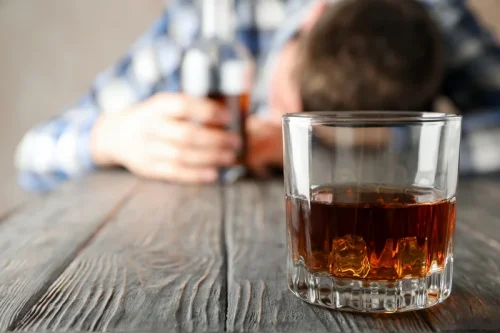
Drinking can also cause hangovers, which usually consist of symptoms like nausea, dizziness and headaches. Do you ever notice yourself feeling a little out of sorts the day after you drink? GMG is a NIHR senior investigator; the views expressed are those of the author and not necessarily those of the NHS, the NIHR or the Department of Health. GMG holds a grant from Wellcome Trust, holds shares in P1vital and has in the past 3 years served as consultant, advisor or CME speaker for Angelini, MSD, Lundbeck (/Otsuka or /Takeda), Medscape, P1Vital, Pfizer, Servier and Shire.
Effects of Alcohol Use

The structure of comorbidity itself remains an active area of research.49 Classification systems categorise disorders as either present or absent, on the basis of a set of diagnostic criteria, and assume that boundaries are stable across diagnoses. The effectiveness for the SSRIs for alcohol consumption reduction is not very convincing. There is some evidence that the SSRIs can produce favorable results in the treatment of patients with less severe alcohol dependence, but these drugs can worsen the alcohol consumption results when combined with Cognitive–Behavioral Therapy in severe alcohol dependence patients (45). It should be emphasized that, in some trials, SSRIs were found to be inferior to placebo in the treatment of AUDs, demonstrating a sort of facilitating effect with regard to relapse. Of course, when the comorbid disorder is relevant, there is probably a place for this treatment, but when the role of the AUD is prevalent, some reflections must be undertaken. However those with anxiety disorders may find that alcohol or other substances can make their anxiety symptoms worse.

National Institute on Alcohol Abuse and Alcoholism (NIAAA)
In this section, trials that used medication and psychotherapy treatments are discussed, as are the effects of those treatments on depressive symptoms and AUD symptoms. These different models are not necessarily irreconcilable when considering the pathodevelopmental trajectory of addiction. During the early binge/intoxication (impulsive) stage of addiction, the opponent process model would anticipate low levels of negative affect, but during the later stage of negative affect/withdrawal, the model specifies the presence of significant negative affect and drinking to cope. Cross-sectional snapshots of people who have significant alcohol problems might reveal groups with anxiety (Apollonian) and groups without anxiety (Dionysian), but, ultimately, all may become Apollonian types as addiction advances. People who manifest anxiety problems before alcohol problems may transition very rapidly (telescope) from binge/intoxication (Dionysian) to negative affect/withdrawal (Apollonian), whereas others may make this transition more slowly or, perhaps, never.
- I use the term in preference to ‘hallucinogens’ due to the latter’s arguably misleading emphasis on these compounds’ hallucinogenic properties.
- Further, people with anxiety disorders who did not report any drinking to cope drank less daily than people with no anxiety disorder.
- People with anxiety and substance abuse disorders are at an increased risk for abuse as well as potentially dangerous interactions when they use prescription medication.
- Terms such as anxiety, anxiety disorder, depression, mood disorder, tension, stress, stress disorder, and negative affect are used differently across disciplines and time.
- This review broadens the psychiatric perspective on the association between diagnosable alcohol and anxiety disorders to include the psychological/learning and neuroscientific disciplines.
The structure of mental disorders and alcohol use disorder

Thus, women are more likely than men to have both disorders, and the presence of anxiety disorders may exacerbate the course and severity of alcohol problems in women. Furthermore, treatment for women with this comorbidity may be especially complex, both because they are likely to use alcohol to self-medicate for stress and because women with social phobia may be reluctant to participate in treatment (e.g., Alcoholics Anonymous) that could otherwise be effective. These factors spotlight the importance of probing for anxiety disorders in women entering alcohol treatment and reinforce the need to remain sensitive to the different ways that gender can influence the process and outcomes of therapy. The co-occurrence of AUD and another mental health disorder can complicate the diagnoses and negatively impact the clinical course of both conditions. Many clinical features of AUD have significant overlap with other psychiatric disorders, including sleep disturbances and negative emotional states such as worry, dysphoria, sadness, or irritability that often occur during cycles of alcohol intoxication, withdrawal, and craving. (See Core article on neuroscience.) As described in the sections to follow, a timeline of your patient’s symptoms is a key tool for a differential diagnosis.

Exercise often provides a natural mood boost, so you’ll probably feel better once you get moving. Even if they don’t improve immediately, you’ll probably have an easier time doing something about them when you don’t have to deal with physical symptoms, too. As a result, any troubles you’re facing, from work stress to relationship issues, does drinking make your depression worse may get worse.
A primer on anxiety disorders
Downregulation of 5-HT2A receptors is a feature of many different first-line antidepressant drugs (Muguruza et al, 2014), as well as second-line antidepressant medications (eg, atypical antipsychotics) with significant 5-HT2AR antagonist properties (Gray and Roth, 2001). Any trial would ideally be conducted in patients withdrawn from such drugs for at least 2 weeks or so, but we accept that this is not always straightforward (Baldwin et al, 2007). As a clinician long committed to the view that neuroscience should inform psychiatry, psychedelics have always looked like a serious opportunity. Their structure and pharmacology inspired a generation of neurochemists to understand neurotransmitters and their receptors. And, the very idea that drugs could usefully change the experience of distressed patients with psychiatric disorders underpinned the revolution in psychopharmacology in the three decades from 1950.
- These populations experience disparities in access to care for AUD and depressive disorders but are underrepresented in studies of these disorders.
- Pharmacotherapies listed are current FDA-approved indications, with the exception of topiramate, which was added based on results of a critical review of published literature (Shinn and Greenfield 2010).
- Recognizing the symptoms of depression and alcohol use disorder can help ensure that you get the right diagnosis and treatment.
- Alcohol changes levels of serotonin and other neurotransmitters in the brain, which can worsen anxiety.